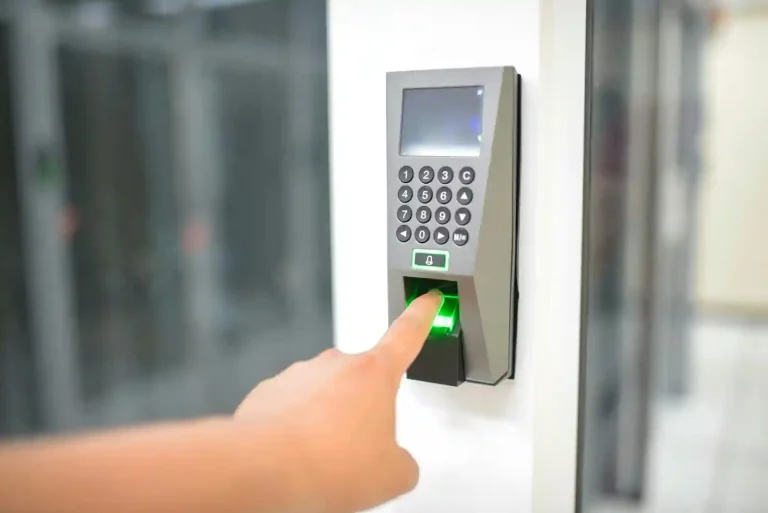
Access control systems have become essential tools for both businesses and homes. They help manage who can enter certain areas and protect valuable assets. With growing concerns about security, relying on traditional locks alone is no longer enough. Modern access control systems provide a smarter, safer, and more efficient way to monitor entry points.
These systems are designed to reduce risks, improve operations, and provide peace of mind. Understanding the advantages of access control systems can help property owners make informed decisions about their security needs.
Enhanced Security
One of the biggest advantages of access control systems is enhanced security. These systems restrict access to authorized personnel only, which prevents unauthorized entry. For businesses, this means sensitive areas like server rooms or financial offices remain secure. In homes, it keeps intruders away and protects family members.
Many systems also include alarms and notifications, alerting security personnel or homeowners immediately if someone tries to enter without permission. By limiting who can access certain spaces, these systems reduce the risk of theft, vandalism, and other security threats.
Convenience and Efficiency
Access control systems make entry and exit convenient and efficient. Instead of carrying multiple keys or remembering complex codes, users can access areas with cards, key fobs, or even mobile apps. Employees do not waste time waiting for doors to be unlocked, and homeowners can manage access for visitors without being physically present.
Many systems also allow remote management, meaning doors can be locked or unlocked from anywhere. This level of convenience reduces delays and streamlines day-to-day operations for businesses and households alike.
Detailed Tracking and Reporting
Another important advantage is detailed tracking and reporting. Access control systems can record every entry and exit, providing a clear log of who accessed which areas and at what time. Businesses can use this information to monitor employee movement, improve workflow, or investigate incidents.
In homes, tracking can reveal unusual activity and help detect potential security problems early. The reporting capabilities also support compliance with safety regulations and provide evidence in case of disputes or security breaches.
Flexibility and Customization
Access control systems offer flexibility and customization to fit different needs. Permissions can be easily updated, allowing certain individuals access only during specific times or days. Temporary access can be granted to guests or contractors without compromising security.
Some systems integrate with other security measures, such as cameras or alarms, creating a comprehensive safety solution. This adaptability makes access control suitable for a wide range of environments, from small offices to large commercial buildings and residential complexes.
Cost Savings Over Time
Investing in an access control system can also result in long-term cost savings. By preventing unauthorized access, businesses and homeowners reduce the risk of theft, damage, or data loss. Fewer security incidents mean lower insurance premiums and less money spent on replacing lost or stolen items.
Additionally, the need for physical keys is minimized, saving costs on key duplication and management. Over time, the efficiency, protection, and control provided by these systems outweigh the initial installation costs.
Conclusion
Access control systems provide significant benefits for both businesses and homes. They enhance security, make daily operations more convenient, and offer detailed monitoring and reporting. The flexibility to manage access permissions and the potential cost savings make them a smart investment.
With the right system in place, property owners can enjoy peace of mind, knowing that their spaces are protected against unauthorized access. These systems are not just a security tool but a practical solution for modern safety challenges.