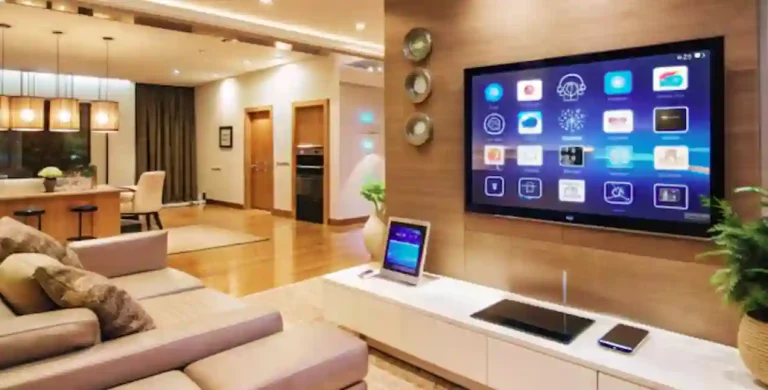
Creating a cinematic experience within the comfort of your own residence is a project that combines high-end technology with interior design. A well-engineered setup can transform how you consume media, providing an immersive environment for movies, gaming, and sports.
However, with the rapid advancement of audiovisual technology, the market is saturated with various components that range from simple soundbars to complex professional-grade installations.
Selecting the perfect home theater system requires a balanced evaluation of your physical space, technical requirements, and long-term entertainment goals to ensure that every viewing session is a breathtaking experience.
Assessing Room Dimensions and Acoustic Properties
The first step in any successful installation is understanding the environment where the equipment will reside. The size and shape of your room will dictate the type of speakers and screen you should purchase.
A small, enclosed room might benefit from a compact 5.1 surround sound setup, whereas a large, open-concept living area may require more powerful speakers and multiple subwoofers to fill the space. Additionally, consider the acoustic properties of the room.
Hard surfaces like hardwood floors and large windows can cause echoes, while heavy curtains and rugs can help absorb sound, leading to a much clearer audio performance from your home theater system.
Choosing Between Television and Projection Screens
The visual centerpiece of your entertainment hub is a major decision that depends on your lighting conditions and viewing preferences. High-definition OLED and QLED televisions offer incredible brightness and contrast, making them ideal for rooms with ambient light.
Conversely, if you desire a truly massive screen that mimics a commercial cinema, a high-quality projector and a dedicated screen are the superior choices.
When integrating these visuals into a home theater system, ensure that the seating distance is appropriate for the resolution of the screen to avoid eye strain and to maximize the perceived detail of 4K or 8K content.
Prioritizing Audio Quality and Speaker Configuration
While the picture is important, it is the sound that provides the immersion. A standard configuration involves a center channel for dialogue, left and right speakers for music and effects, and rear speakers for surround atmosphere.
For those seeking the ultimate experience, adding overhead speakers for Dolby Atmos creates a three-dimensional soundstage.
Investing in a high-quality home theater system often means choosing between “home theater in a box” solutions, which are easy to set up, and separate components, which allow for greater customization and higher fidelity audio for serious audiophiles.
Evaluating Receiver Power and Connectivity Options
The AV receiver acts as the brain of your setup, managing all your input devices and distributing power to your speakers. It is essential to choose a receiver that has enough HDMI ports to accommodate your gaming consoles, streaming devices, and Blu-ray players.
Furthermore, ensure the receiver supports the latest video pass-through technologies, such as HDR10+ and Dolby Vision.
A robust receiver is the backbone of a modern home theater system, providing the necessary processing power to synchronize high-resolution video with lossless audio formats without any lag or degradation in quality.
Consideration of Smart Features and Streaming Integration
In the age of digital content, your system should be as smart as it is powerful. Many modern components come with built-in Wi-Fi and Bluetooth, allowing for seamless streaming from your smartphone or tablet.
Integration with voice assistants like Alexa or Google Assistant can provide hands-free control over your volume and playback. When selecting a home theater system, look for platforms that support popular streaming applications and multi-room audio features.
This connectivity ensures that your investment remains relevant as new digital services and wireless standards emerge in the entertainment industry.